
 9 months ago
335
9 months ago
335

.jpg)

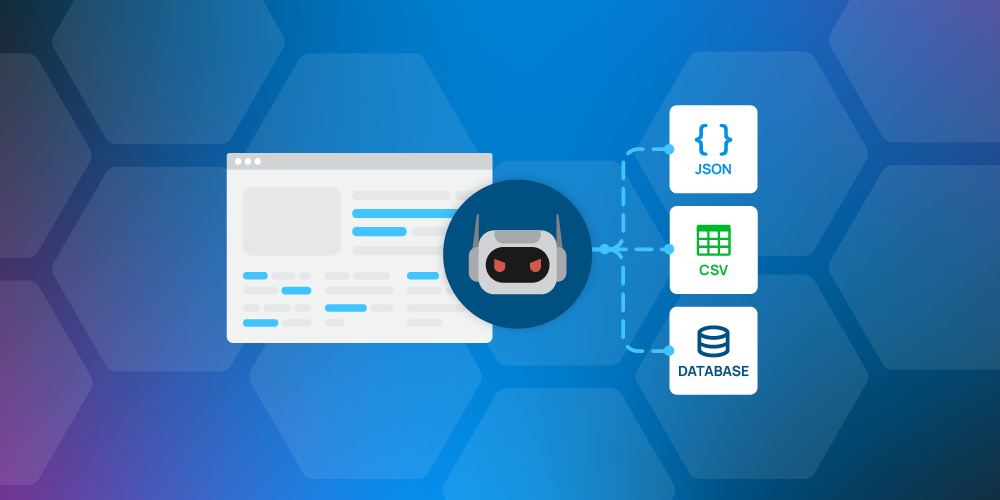
TL;DR: Google Analytics is crucial for tracking user behavior and traffic, but its effectiveness can be compromised by bot traffic. Using advanced solutions like Anura can provide better protection against complex bot activities. Data drives decisions in the digital age. Of the many tools available to transform raw numbers into actionable insights, Google Analytics serves as the backbone for the majority of businesses. It can provide amazing insights into user behavior, traffic patterns, and marketing effectiveness. However, that depends on the quality of your traffic. Chances are, not all traffic that hits your website is genuine. Some of it may be generated by bots. While the latest iteration of Google Analytics (GA4) offers built-in tools to filter out known bots and spiders, these measures are not foolproof. Join us as we cover the ins and outs of how to identify bot traffic in Google Analytics. You’ve likely seen the headlines that bots are taking over the Internet. This isn’t hyperbole. Forbes recently reported how bots account for nearly half of all Internet traffic globally. Bad bots are responsible for around a third. Bot traffic refers to any non-human traffic to a website, and each year this type of traffic increases./ At this rate, it won’t be long until the majority of Internet traffic comes from automated bots. These automated scripts and programs that perform tasks over the internet can include: As you can see, each type of bot interacts with web environments differently. While not all bots are “bad,” this type of non-human traffic, regardless of the intent, can still impact your web analytics. Bot traffic can inflate your metrics. The inflated numbers can lead to inaccurate reports on user engagement, conversion rates, and overall traffic. This distortion makes it challenging for businesses to make informed decisions based on their Google Analytics data. For example, a high volume of bot visits could suggest more site engagement than there actually is, affecting marketing strategies and budget allocations. Identifying bot traffic in Google Analytics 4 (GA4) is essential for maintaining accurate data analytics. Here are some of the red flags to look out for that can help you identify bot traffic in GA4. The good news is that in Google Analytics 4 properties, traffic from known bots and spiders is automatically excluded. Google uses its own research and a list maintained by the Interactive Advertising Bureau to filter out known bots. However, GA4 bot filtering is not enough to exclude bot traffic. It does not account for unknown malicious bots and has no way of identifying more sophisticated forms of fraud, such as human click fraud. The limitations of these built-in features can leave your data vulnerable to manipulation and inaccuracies. The best way to filter bot traffic in Google Analytics is by stopping spam bots in their tracks. Unlike basic bot filtering options, Anura offers a more robust and advanced solution designed to identify and eliminate not just simple bots, but also those sophisticated malicious bots and even human-like fraudulent traffic that often go undetected. Stop bots from destroying your ROI. Let Anura help you detect, prevent, and eliminate unwanted bots and protect your analytics.

The Basics of Google Analytics and Bot Traffic
How Bot Traffic Affects Google Analytics
How to Identify Bot Traffic in GA4
Best Practices for Google Analytics Bot Filtering

.png)

.jpeg)
