
 1 year ago
236
1 year ago
236

.jpg)

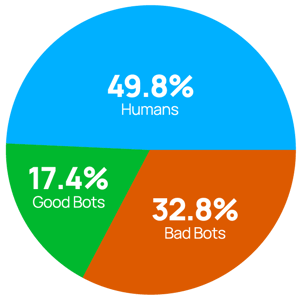
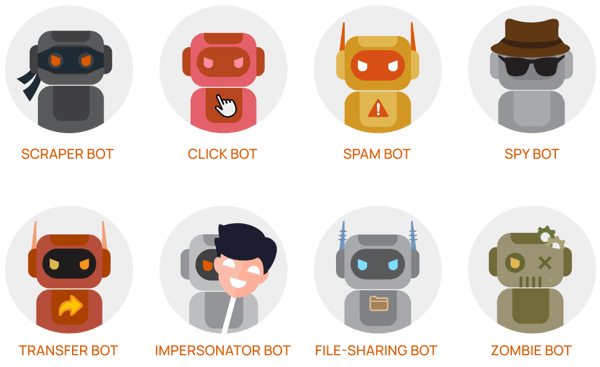
TL;DR: What is a bot? Simply put, a bot – short for “robot” is an automated software program designed to perform repetitive tasks. Bots operate on networks and the internet, following predefined instructions without the need for human intervention. But not all bots are created equal. They range from helpful assistants facilitating online activities to malicious threats causing significant harm. They do jobs that most people would find too repetitive or time-consuming. Bot traffic can vary in technical complexity depending on its function. Hearing the word “bot” sends many an advertiser into a panic. All too often, we see news stories of bots participating in ad fraud scandals, security breaches, and other forms of cybercrime. However, the word “bot” isn’t a catch-all term for malicious software. As with most things in life, there are good bots and bad bots. Good bots keep the digital world turning. Without them, search engines, social media, and e-commerce sites would struggle to function efficiently. Here are some of the most common types you might see in the wild. Often known as spiders, spider bots or crawlers, these bots visit web pages to gather and index information for search engines. They analyze content relevance and help determine how pages rank in organic search results. Platforms like Facebook and Twitter use bots to personalize content. They gather and process user interactions data, significantly improving user experience. Chatbots use natural processing and artificial intelligence to interact with site visitors, streamline customer service, and boost engagement. Vital to SEO specialists, backlink checkers crawl websites looking for inbound links. They provide insights into traffic sources, enabling better SEO optimization. These bots perform continuous scans for technical issues or unusual activities. They alert site owners to potential security threats or performance bottlenecks. These bots specialize in collecting and sending real-time information, such as news updates, blog posts, or weather alerts to subscribers These bots help protect intellectual property by scanning the internet for stolen or duplicated content, identifying potential infringements quickly. Similar to spider bots, trader bots crawl around the web for pricing information. Online retailers like eBay and Amazon use trader bots to keep an eye on their rivals and offer competitive deals on products. Unfortunately, bad bots are just as prevalent and pose serious risks. They’re designed explicitly to exploit vulnerabilities, steal data, and commit ad fraud. Here are the most common malicious bots businesses encounter: there are a lot of bad bots freely roaming the web. Knowing each type of bot’s destructive capabilities may give you an advantage in protecting your online presence. Let's define these bots here: Scraper bots harvest content from websites without permission, repurposing it elsewhere illegally or competitively, harming both SEO and content originality. Often referred to as advertising bots, these artificially inflate ad clicks, skewing market analytics and wasting advertising budgets. Advertisers are all too familiar with click bots. These bots intentionally visit sites and click on ads with the goal of warping ad campaign data and burning through an advertiser’s budget. For advertisers who pay on a CPC basis, click bots can be devastating. Spam bots flood forums, emails, and comments sections with unwanted advertising, phishing links, or malicious downloads. These bots plague comment sections, lead forms, and email inboxes spreading unsolicited messages, advertising links, and other forms of spam. Spam bots are also programmed to phish for personal information that users submit through forms, such as phone numbers, email addresses, and passwords. These bots collect sensitive information through methods like keylogging or packet sniffing. The stolen data is often sold or used for malicious purposes. Hackers use spy bots mainly for surveillance and data collection purposes. Spy bots steal personal information about a company, website, or person by logging keystrokes or intercepting packets. Some hackers sell that data to outside parties for a profit. Also known as download bots, these bad bots redirect legitimate visitors from safe websites to malicious or fraudulent sites. Sometimes called download bots, transfer bots are responsible for forced redirects. Transfer bots attach themselves to reputable websites and wait for users to click through. Instead of sending users to the site they requested, transfer bots redirect them to another site, usually one set up by a fraudster or hacker. Designed to evade detection, these bots mimic human behavior to bypass security measures like CAPTCHA tests and access secure areas of websites. Disguising themselves as human visitors, impersonator bots try to get past site security. Obstacles like CAPTCHA codes are used to keep impersonator bots from reaching sites, but they are only getting more sophisticated as technology improves. Disguised as legitimate users, these bots share malware-infected files via popular file-sharing services, deceiving visitors into downloading harmful software. Zombie bots infect computers, allowing hackers remote control. A network of compromised computers, or botnet, launches coordinated cyberattacks, such as DDoS attacks, overwhelming and disabling servers. Preventing bot traffic requires proactive and advanced methods, including: Anura provides advanced, highly accurate bot mitigation solutions designed to protect businesses from all forms of malicious bot traffic. Our specialized fraud detection system leverages nearly two decades of data intelligence and machine learning technology to detect and eliminate bots in real-time. Here’s why Anura’s solution stands out: At Anura, bot detection and ad fraud prevention is our core expertise. Our solution is proven, certified against fraud by TAG, and trusted across industries. Bots may be getting smarter, but so are bot detection solutions like Anura. Take the first step toward protecting your business from harmful bot traffic today. Sign up for Anura’s free 15-day trial and start proactively defending your digital presence from bots.
Type of Bots: The Good and The Bad
The Good Bots
Search Engine Bots (Web Crawlers)
Social Network Bots
Chatbots
Backlink Checker Bots
Monitoring Bots
Feed Fetcher Bots
Copyright Bots
Trader Bots
Recognizing and Understanding Malicious Bots
Scraper Bots
Click Bots
Spam Bots
Spy Bots
Transfer Bots
Impersonator Bots
File-Sharing Bots
Zombie Bots and Botnets
How to Prevent Bot Traffic and Protect Your Business
How Anura Detects and Stops Bot Traffic
Ready to Protect Your Business?


.jpeg)
