
 1 week ago
42
1 week ago
42

.jpg)

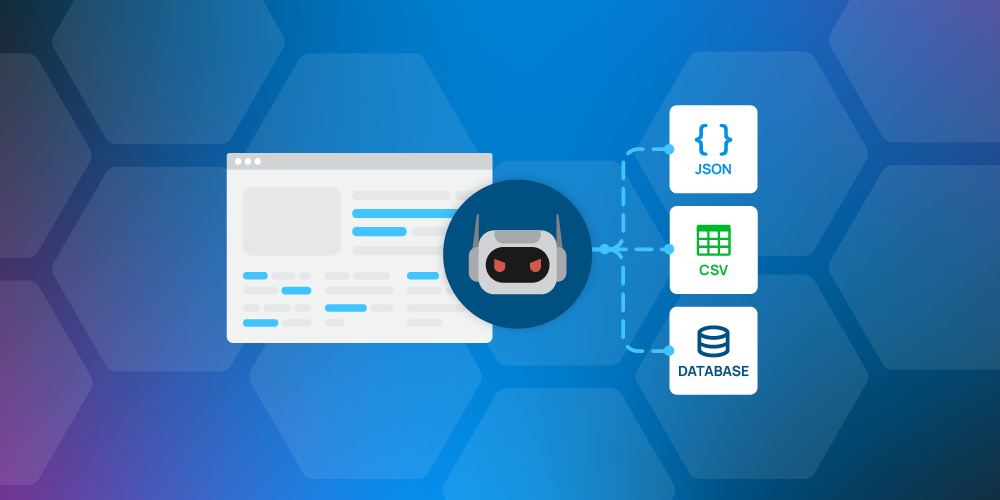
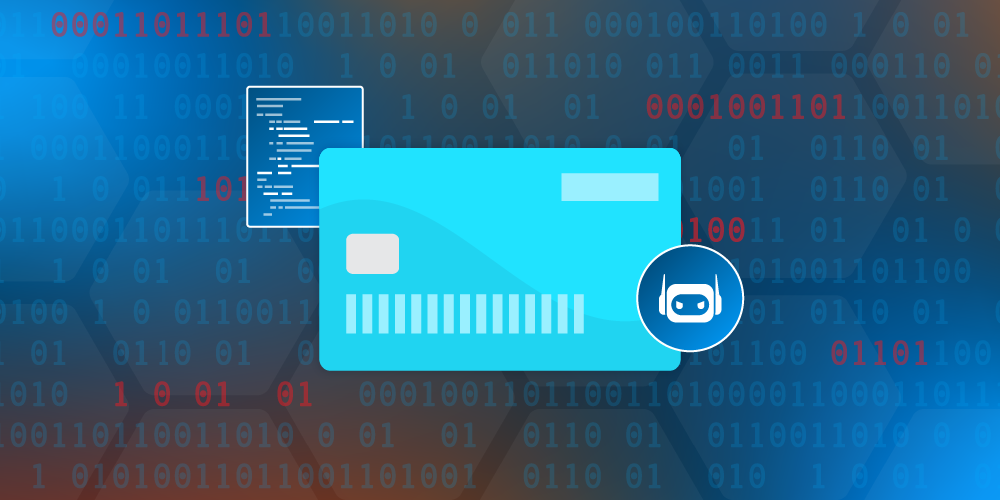
Web scraping is the automated extraction of data from websites. Instead of a person opening a page, reading it, and copying what they need, a program requests the page, pulls out specific information, and stores it in a structured format like a spreadsheet or database. Work that would take a person weeks can be finished in minutes. A typical scraper works in three steps: Web Scrapers range from simple scripts written in an afternoon to sophisticated systems that rotate through thousands of IP addresses, imitate human browsing, and adapt when a site changes its layout. Competitors deploy web scrapers to monitor your prices, stock levels, promotions, and product catalogs, often in real time. They can use that intelligence to undercut you by a few cents on every item, time their sales against yours, or learn which products are selling best. Some operations go further. Job postings for scraping developers openly describe the goal: find products on other sites that can be resold on marketplaces for a guaranteed margin. Price scraping is surprisingly easy to do. If your business depends on original content, such as product descriptions, reviews, listings, articles, research, or gated resources, web scrapers can copy it. The stolen material is republished on competing sites, sold to third parties, or used to build copycat storefronts. Duplicate versions of your content can also dilute your search rankings, since search engines may struggle to tell which version is the original. Data Scrapers can target restricted areas, user profiles, directories, and anything else that exposes personally identifiable information. Harvested contact details and account data can be sold on the dark web, used for phishing and spam, or fed into account takeover and credential-stuffing attacks. Because the collection is automated and quiet, a business may not realize the data is gone until it shows up somewhere it shouldn't. Scraped content is raw material for fraud. Criminals copy the text, design, and product photos of legitimate businesses to build convincing fake storefronts and phishing pages. They collect business details to fuel scam outreach, and they gather form structures and page data that help bots submit fraudulent leads and applications. For advertisers and lead generators, the same infrastructure that scrapes data can also click ads, submit forms, and fill a funnel with junk. Some bots scrape product pages to detect the moment a limited item becomes available, like concert tickets or a sneaker release, then buy it up before real customers can. The scalper profits, and your loyal customers blame your brand. Large-scale collection of website content to train AI models is a growing concern. Many site owners want a say in who collects their content and on what terms. Many of these crawlers ignore the rules site owners publish in robots.txt files, and some disguise themselves as well-known bots, so that control quietly disappears. Some businesses respond to scraping by tolerating a certain amount of it, treating it as background noise. That approach makes little sense once you look at what scrapers deliver. The common, well-established crawlers, such as the major search engines, provide a service: they help people find you. Nearly every other scraping bot provides nothing. It doesn't buy, it doesn't subscribe, and it doesn't refer customers. Instead they take data and content, consume bandwidth, and leave behind a visit that looks like activity which can skew your data and decision making. That's why the target should be removal of all non-common scraping bots from your website. This is where scraping moves from a security problem to a business intelligence problem. Nearly every team in your company makes decisions using website and campaign data. If scrapers are counted in that data, those decisions rest on numbers that don't describe real people. Reports still generate and dashboards still look polished. The errors surface later, as missed targets, wasted budgets, and decisions that can't be explained. The cleaner the data going in, the more reliable everything downstream becomes. Because scrapers keep evolving, removing them works best as an ongoing practice rather than a one-time cleanup. A few principles help: Anura exists to help businesses trust their traffic. By keeping fake and unwanted visitors out of your campaigns, lead flow, and analytics, Anura helps ensure that the sessions you count, the clicks you pay for, and the leads you follow up on come from real people who might actually become customers. The result is a business that can measure its performance accurately, spend its budget where it works, and make decisions with confidence, because the data behind them is clean. Web scraping is a foundational technology of the internet, and its abuse is now one of the most common ways businesses lose money, content, and competitive edge online. Competitors steal pricing, criminals harvest data and build scams, and unauthorized crawlers take what you built without asking. With scraping volume rising, a large share of your traffic may be doing nothing but taking from you while quietly distorting the numbers you rely on. Removing non-common scrapers protects your content and your revenue, and it protects the data behind every decision you make. If you'd like to see how much of your traffic is real, Anura can help you find out. Start by signing up for a free traffic quality audit today.
How Scraping Is Used Maliciously
Competitive Price and Inventory Theft
Content and Intellectual Property Theft
Harvesting Personal and Sensitive Data
Fake Sites, Scams, and Lead Fraud
Scalping and Inventory Hoarding
Unauthorized AI Training
Why the Goal Is Removal
Why This Matters for Traffic Analysis
Making Removal Part of Standard Practice
Where Anura Fits In
The Bottom Line

.png)
.jpeg)
